
Book Appointment Now
Why Progress in Strength Training Slows Down—and How to Restart It
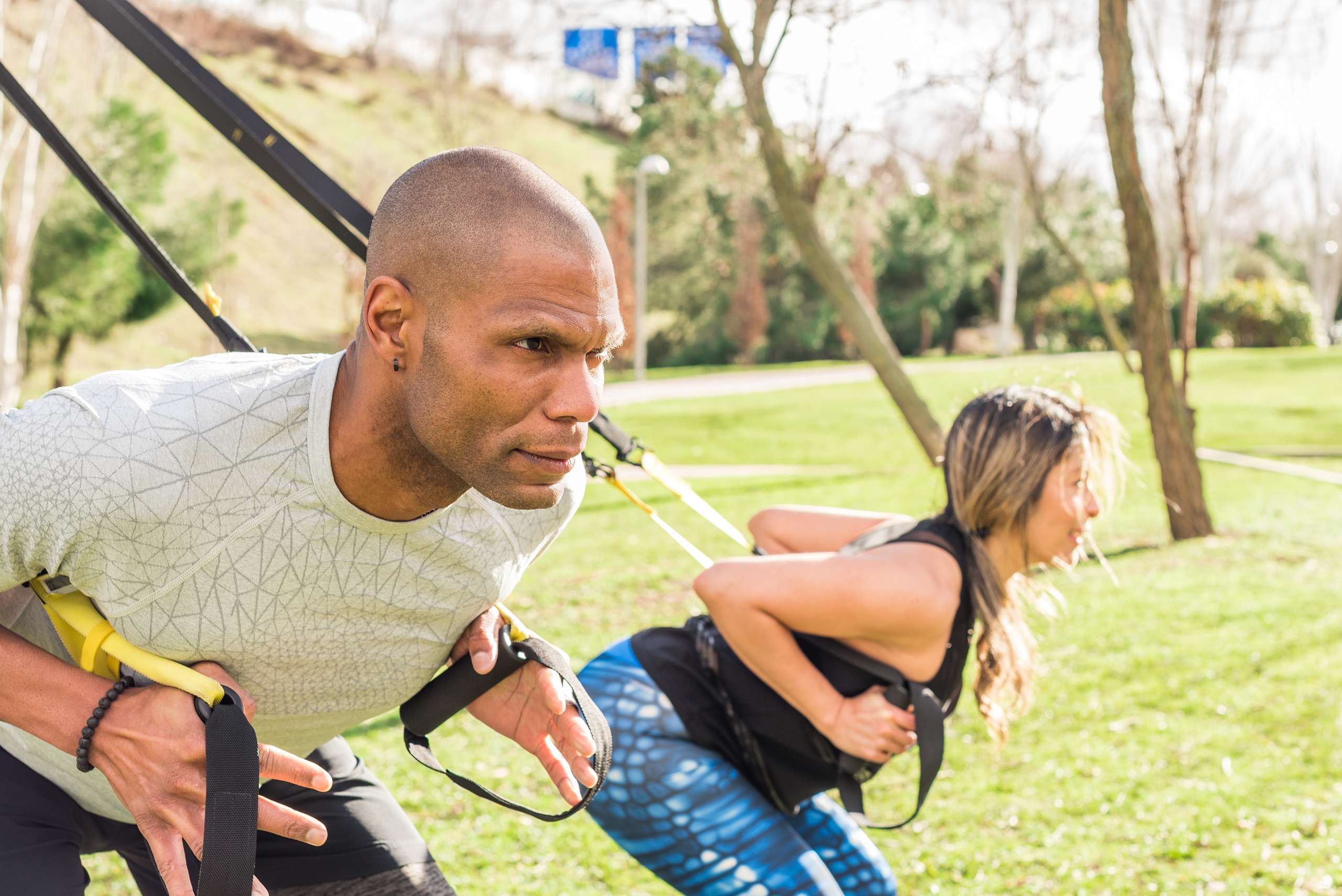
The initial gains from strength training can be so much fun. Every week, it seems easier to move more weight or more reps. You feel more balanced and more confident. But it doesn’t take long for the gains to slow down. You no longer feel as if your squats are getting easier or you are getting more pushups. In fact, they feel heavy and you’re back to the same number you were a month ago. This happens to many people during strength training, but it’s often because you are practicing the same thing over and over again. If your body does the same exercise in the same way at the same pace every time you train, it has no reason to adapt.
One way to mix it up is to change the intention of each rep. New trainees tend to focus on completing reps without much regard to how the movement feels. Focusing on slowing down the tempo of each rep can enhance strength gains. Instead of just doing a squat or a push up, practice taking 3 full seconds to lower down, then popping back up to the top. The additional time spent lowering into the range of motion teaches the body to generate force from the bottom half of the range of motion, not just the top half.
If you are training every day without changing your routine, it might be too much. Sometimes it’s easy to think you need to train hard every single day, but you’re actually doing too much and the body isn’t responding. One way to solve this is by alternating days of focusing on different skills or different areas of the body. For example, one day you might train primarily lower body controlled movements like squats and lunges, and the next day focus on upper body movements such as pushups and pulls. This allows one group of muscles to recover while the other group is still engaged, which can promote more consistent adaptation.
A likely culprit of a sticking point is adding too many reps too quickly. Adding too much volume before the body has a chance to adapt and control it results in decreased strength and poor movement. When you start to compensate by letting your knees cave in during a squat or your hips drop during a pushup, you are teaching your body poor patterns that won’t allow you to progress in the future. The simple fix for this is to decrease your reps for a short time and rebuild them with good form. Again, the goal of strength training is quality, not quantity.
15 minutes might be all you need to get through a sticking point. Start with a slow practice session of a primary movement focusing on your balance and posture. From there, perform a few small sets of slow, intentional reps. Finally, finish with a repeat slow practice session of the first movement and see if you feel better than you did at the beginning of the session. A quick retest of the first movement often will reveal subtle improvements and remind you that the goal of strength training is repetition, not overexertion.