
Book Appointment Now
The Reason Your Squats Are Bad and How Squatting Every Day Will Help
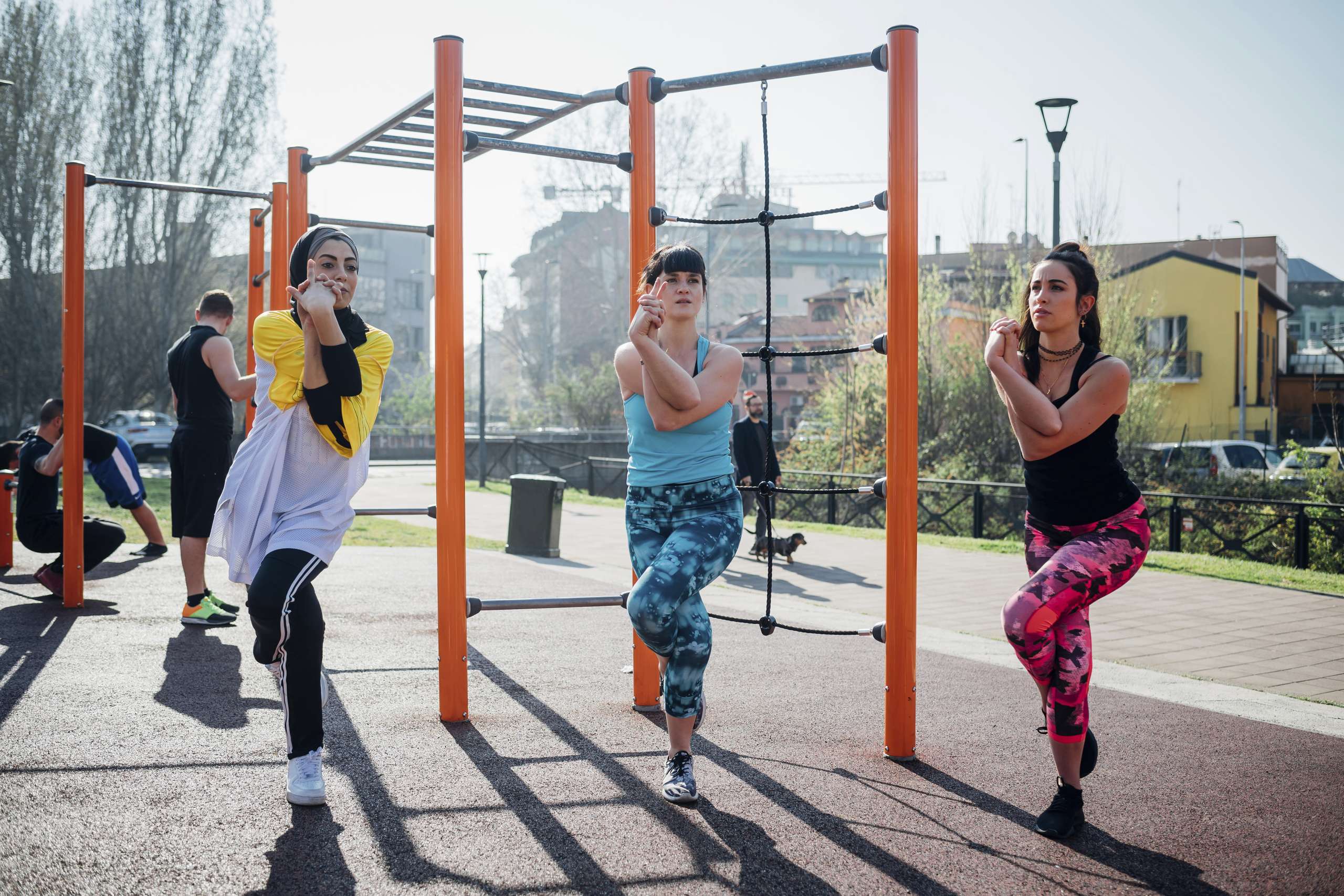
The squat. A movement that is as simple as hinging your knees and hips and sitting down. Unfortunately, the first time you perform a squat, it will likely feel awkward because your body has never really worked in such a way before. Instead of moving your hips and engaging your legs, you have probably focused on bending your knees and shifting your weight forward. Start to think about the squat as more of a “sitting” movement, where you’re placing your hips backwards and maintaining your chest up. With some practice, your body will learn to adjust and organize around your center of mass instead of folding over.
The easiest way to start is to completely remove any kind of speed from the movement. With your feet shoulder-width apart and your hands in front of your chest for balance, practice slowly lowering your hips as if you were to sit down in a chair behind you. As you get halfway down, pause for a moment and see where your weight is in your feet. If you feel like you’re putting too much weight in your toes, shift your hips back a little further before continuing. This pause will help you develop the awareness you need to build strength in a movement instead of fighting it.
If you notice that your knees are caving in as you stand up from the bottom of your squat, it is likely because you’re not using your hips enough and are instead relying on your legs to compensate. When you feel the cave happen, stop the movement and readjust your feet. Pretend that you’re trying to spread the floor apart with your feet as you push up. This should encourage your hips to help out and keep your knees in line with your toes. Making this adjustment will help prevent any injuries and promote a stronger squat.
In the beginning, it doesn’t matter how many squats you can do as long as you’re practicing every day. Even a 15-minute routine a day will help improve your form. Start by practicing partial squats and focusing on balance and hip movement. Then move on to a few full-range squats where you focus on slow and controlled movement. Finally, hold yourself in the bottom position of the squat for a few seconds while taking deep breaths and keeping your chest up. This will help your body adjust to being in such a position.
You will know you’re making progress when the movement starts to feel more fluid instead of forced. Your hips will naturally sit back, your knees will stay in line with your toes, and you will rise up with more ease. If you feel like you’re off balance again, slow down the movement and pause at the halfway point to test your weight again. This should always be your go-to in helping you adjust your movement. With enough practice, these little fixes will improve your squat and help you build a fundamental movement that will aid in many other exercises.